
When an old, damaged, unwanted, or no-longer-needed vehicle is taken away, many car owners wonder what happens next. Once the vehicle leaves your driveway, garage, or property, its journey does not necessarily end there. Depending on its condition, age, parts, and materials, it may go through several different stages before reaching its final destination.
Understanding what happens after vehicle removal can help car owners make informed decisions when it is time to let go of an unwanted vehicle. Modern vehicle recycling and disposal processes are designed to recover useful materials, reuse suitable components, and reduce the amount of waste sent to landfill. This makes responsible vehicle disposal an important part of managing old cars.
The Vehicle Is Collected From Your Property
The process begins when the vehicle is collected from its current location. This could be a home driveway, garage, workplace, private property, or another accessible location. The removal process is generally arranged according to the condition and location of the vehicle.
Before collection, the vehicle may be checked to confirm its basic details and condition. This helps determine the appropriate equipment and transportation method. Some vehicles can still move under their own power, while others may be damaged, unregistered, accident-affected, or completely non-running.
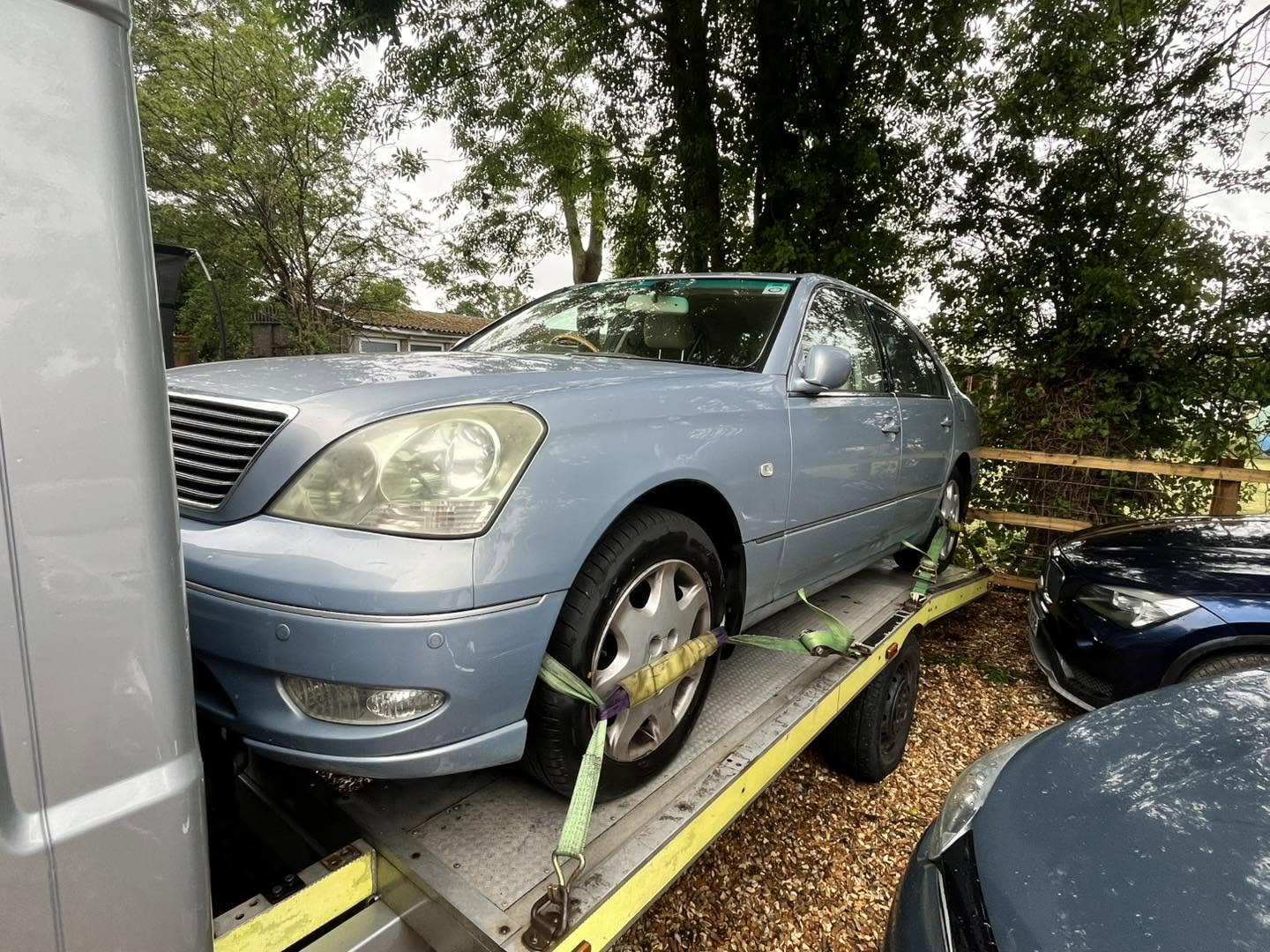
Once the necessary arrangements are made, the vehicle is loaded onto a suitable recovery truck or towing vehicle and transported away. Careful loading is important, particularly when dealing with vehicles that have damaged wheels, missing components, flat tyres, or other mechanical problems.
The Vehicle Is Assessed
After collection, the vehicle can be assessed to determine what should happen to it next. Not every unwanted vehicle follows exactly the same process.
A relatively newer vehicle that is still in reasonable condition may have usable components that can be recovered. A severely damaged or very old vehicle may be more suitable for dismantling and recycling. The condition of the engine, transmission, body, interior, electrical components, wheels, and other parts can all influence how the vehicle is handled.
This assessment allows useful components and materials to be identified before the vehicle is processed further. It also helps reduce unnecessary waste by making sure recoverable items are not simply discarded.
Usable Parts May Be Recovered
One of the most important stages in the life of an unwanted vehicle is parts recovery. Even when a car is no longer practical for its original owner, some of its components may still have value.
Depending on the vehicle and its condition, parts such as mirrors, doors, lights, wheels, seats, panels, electrical components, engines, transmissions, and other mechanical items may be suitable for reuse or further processing.
Reusing vehicle components can help extend the useful life of those parts. Instead of manufacturing every replacement component from new materials, suitable parts can sometimes be recovered from vehicles that are no longer being used.
This is one reason an old vehicle can still have value even when repairing it or continuing to drive it no longer makes financial or practical sense.
Fluids and Hazardous Materials Are Handled Carefully
Vehicles contain a range of fluids and materials that should not simply be released into the environment. These can include engine oil, coolant, brake fluid, transmission fluid, fuel, and other automotive substances.
During professional vehicle processing, these materials need to be handled appropriately. Removing fluids before dismantling or recycling helps prevent contamination and supports safer vehicle processing.
Batteries and certain other vehicle components also require appropriate handling because they can contain materials that should not be placed into ordinary household waste.
Responsible vehicle disposal is therefore about more than simply taking a car away. Proper processing helps ensure that different materials are handled according to their characteristics and intended disposal or recycling methods.
The Vehicle May Be Dismantled
After useful components and fluids have been identified, the vehicle may be dismantled. Dismantling separates different parts and materials so that they can be reused, recovered, recycled, or disposed of appropriately.
The exact process depends on the vehicle’s condition. Some components may be removed for potential reuse, while others are separated because they contain recyclable materials.
Dismantling also makes it easier to recover valuable materials from the vehicle. Instead of treating the entire car as one piece of waste, different components can be processed separately.
For an owner, this means that an unwanted vehicle may have a second life in several different forms. One part could potentially become a replacement component, while another may be processed as recyclable material.
Metal From the Vehicle Can Be Recycled
Most vehicles contain a significant amount of metal. Steel and other metals can often be recovered during the recycling process.
Once recyclable metal has been separated from other materials, it can be processed and prepared for use in manufacturing. Recycling metal reduces the need to rely entirely on newly extracted raw materials.
This is particularly important because vehicles contain a combination of different materials. Recovering the metal helps ensure that useful resources do not simply become unnecessary waste.
The metal recycling stage is one of the main reasons responsible vehicle disposal can contribute to a more sustainable approach to dealing with end-of-life cars.
Other Materials Can Also Be Recovered
Cars are made from much more than metal. They can contain glass, rubber, plastics, textiles, wiring, and other materials.
During processing, these materials may be separated where practical. Tyres, glass, plastics, and other components can have different recycling or disposal requirements.
Not every material will necessarily be recycled in every situation, but separating materials where possible can improve resource recovery and reduce the amount of waste requiring disposal.
This demonstrates why professional vehicle recycling involves several stages rather than simply crushing an entire vehicle immediately after collection.
What Happens to Cars That Are Still in Good Condition?
Not every removed vehicle is at the end of its useful life. Sometimes a vehicle is removed because the owner no longer needs it, wants to upgrade, cannot justify ongoing repairs, or simply wants to free up space.
If a vehicle remains in suitable condition, there may be opportunities for some of its components or the vehicle itself to continue serving a purpose.
The condition, age, demand, registration status, damage history, and mechanical state can all influence what happens next. A vehicle that is no longer suitable for one owner may still contain useful components or materials that can benefit other people.
What Happens to Severely Damaged Cars?
Accident-damaged and severely damaged vehicles can have a different journey. A car may appear beyond repair from the outside while still containing usable components.
For example, some mechanical, electrical, interior, or body components may remain in reasonable condition even when other sections of the vehicle have been badly damaged.
Where appropriate, recoverable components can be separated before the remaining vehicle is processed for recycling. This helps maximise the useful material that can be recovered from the vehicle.
For owners of damaged cars, this means that serious damage does not necessarily mean the vehicle has no remaining value.
Why Responsible Car Disposal Matters
Leaving an unwanted vehicle sitting on private property for years can create several problems. It can occupy valuable space, deteriorate further, attract unwanted attention, and potentially allow fluids or materials to become an environmental concern.
Responsible disposal provides a more organised alternative. Instead of allowing the vehicle to deteriorate indefinitely, owners can arrange for it to be collected and processed through appropriate channels.
For people searching for Car removals Sydney, understanding the complete journey of a vehicle can make the removal process easier to understand. The important point is that collection is only the beginning. Assessment, parts recovery, fluid handling, dismantling, material separation, and recycling can all form part of what happens afterward.
What Should You Remove From Your Car Before Collection?
Before handing over an unwanted vehicle, it is sensible to check the interior, boot, glove compartment, and other storage areas for personal belongings.
People often forget items such as documents, sunglasses, tools, charging cables, personal accessories, or other possessions that have been left inside the vehicle.
You should also check whether you have any paperwork, number plates, keys, or other items that need to be handled separately according to the relevant requirements.
Preparing the vehicle beforehand can make the collection process smoother and reduce the chance of accidentally leaving something important behind.
Choosing a Responsible Vehicle Removal Provider
When arranging vehicle removal, it is useful to understand how the provider handles unwanted vehicles after collection. A responsible service should be transparent about its process and provide clear information about collection, vehicle assessment, recycling, and disposal.
You can ask questions about whether suitable parts are recovered, how recyclable materials are handled, and what happens to vehicles that are no longer roadworthy.
For local vehicle owners, NSW Car Removals provides a straightforward way to arrange the removal of unwanted vehicles while helping owners understand the process involved.
The Journey Does Not End When the Car Leaves Your Driveway
For many people, seeing their unwanted car being loaded onto a removal truck feels like the end of the story. In reality, it can be the beginning of a new stage for the vehicle.
Depending on its condition, a vehicle may be assessed for reusable components, dismantled, have its fluids removed, and then be separated into different materials. Metals, glass, plastics, rubber, and other components can potentially be recovered through appropriate recycling and processing methods.
Some vehicles may provide useful parts, while others may mainly contribute recyclable materials. Either way, responsible vehicle processing can help make better use of the resources contained within an old car.
Understanding this process also highlights why choosing an appropriate removal service matters. A vehicle may have reached the end of its useful life for one owner, but that does not necessarily mean everything associated with it has reached the end of its usefulness.
Final Thoughts
Getting rid of an unwanted car involves much more than simply having it towed away. After collection, the vehicle can go through assessment, parts recovery, fluid removal, dismantling, material separation, and recycling, depending on its condition and the available processing options.
For car owners, knowing what happens after removal can provide greater confidence when deciding what to do with an old, damaged, unused, or unwanted vehicle. It also shows how responsible vehicle disposal can help recover useful resources and reduce unnecessary waste.
When the time comes to clear an unwanted vehicle from your property, understanding the complete removal journey can help you approach the process with greater awareness and make practical decisions about the vehicle’s next stage.